Introduction to Paradime
Paradime is an AI-powered workspace that consolidates the entire analytics workflow, often described as 'Cursor for Data'. The platform eliminates tool sprawl by combining a Code IDE, DinoAI (an AI co-pilot for SQL and documentation), Paradime Bolt for production-grade orchestration, column-level lineage, real-time monitoring, and native integrations with BI tools like Looker and Tableau. Analytics teams using Paradime report 50-83% productivity gains, 20%+ warehouse cost reductions, and 25-50% faster development cycles—making it a powerful alternative to traditional fragmented workflows.
What is Paradime Wrapped?
Inspired by Spotify Wrapped's viral success, Paradime Wrapped is an interactive year-in-review experience created for analytics engineers to celebrate their workflow achievements. The experience features arcade game-inspired visuals, behavioral archetype assignments, interactive scratch-off reveals, and personalized character cards—all built on real user data from Cube API, BigQuery, and dbt™.
Rather than simple progression levels, Paradime Wrapped assigns identity-based archetypes like "Diamond Builder" or "Night Owl Coder," creating a gamified analytics experience that users want to share.
The 10-Day Build Journey
Hannah Liu, Paradime's creative designer with zero coding background, built the entire experience in just 10 days—from concept to launch. The project underwent 226 iterations and required no engineering support, completed entirely using AI tools.
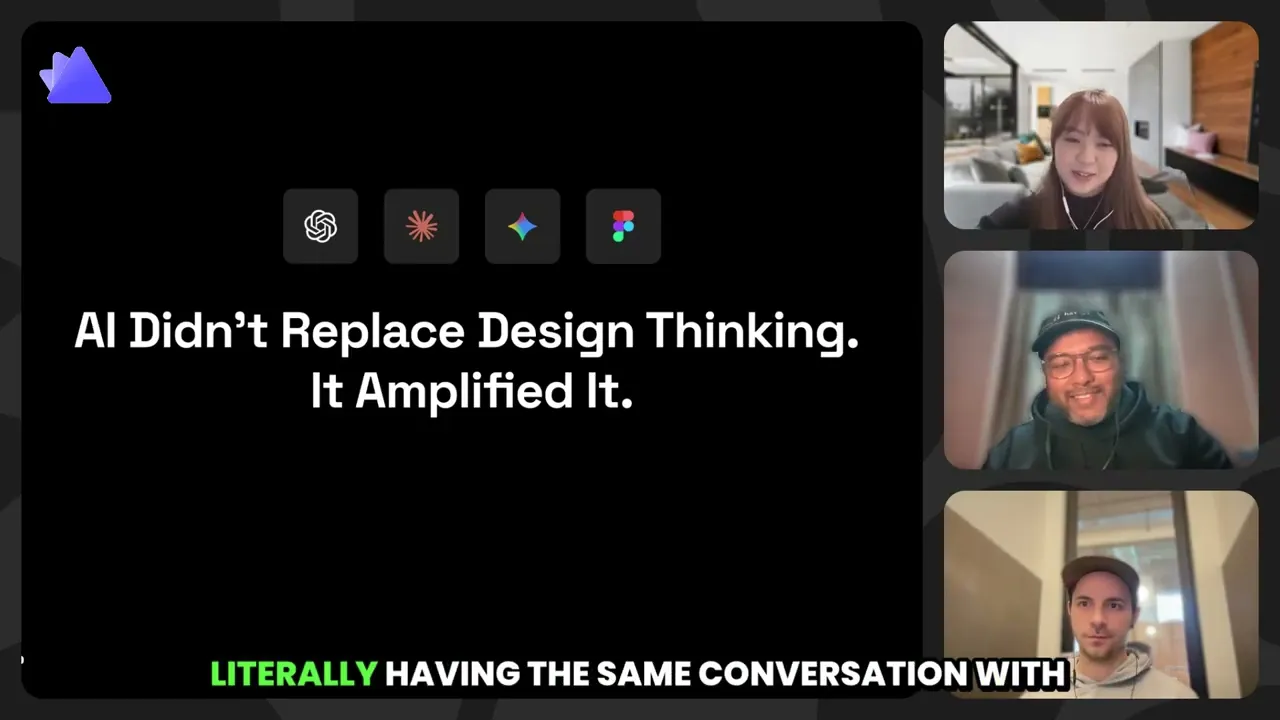
Week 1 focused on brainstorming with ChatGPT's voice-to-text thinking, defining logic and algorithms with Claude, and building the UI in Figma Make powered by Gemini 3.0. Week 2 involved custom asset generation, data source integration, edge case testing, and final polish.
This timeline represents a 75% reduction from the traditional 4-6 weeks required with multiple stakeholders and handoffs.
Strategic AI Tool Selection
The key to Hannah's success was matching specific tasks to the right AI tools:
ChatGPT handled brainstorming and conceptualization through voice-to-text thinking, enabling rapid ideation and creative exploration.
Claude excelled at logic and algorithms, defining behavioral archetypes, developing Z-score normalization algorithms, and identifying precise code locations for edits rather than making broad changes.
Figma Make (powered by Gemini 3.0) served as the primary building tool, allowing Hannah to construct UI and interactive prototypes at designer speed. Its critical advantage: generated frames could be copied directly into Figma as editable design elements, eliminating traditional coding barriers.
Gemini Nano Banana created consistent dino character illustrations by using reference images attached to every generation, maintaining the arcade aesthetic across all user cards.
Manual Figma provided the final layer—brand consistency refinement, animation fine-tuning, and quality assurance that elevated AI-generated work to production standards.
Key Design Decisions
Behavioral Archetypes Over Progression Levels
Rather than ranking users from novice to expert, Hannah chose identity-based archetypes that celebrated different working styles. This avoided hierarchy that might discourage less active users while creating memorable personas users wanted to claim as their own.
Z-Score Normalization for Fairness
Behind the gamified presentation lay statistical rigor. Z-score normalization ensured fair archetype assignment regardless of team size or usage patterns, comparing users across different scales mathematically.
Empathy for Inactive Users
Thoughtful design ensured users with minimal activity didn't feel excluded. Inclusive messaging acknowledged all participation levels, maintaining engagement across the entire user spectrum.
Simplification Over Complexity
The original concept featured an elaborate arcade machine zoom-in animation. Recognizing Figma Make's limitations, Hannah simplified to start directly with the game screen—prioritizing user experience over technical ambition.
Overcoming Technical Challenges
Character Consistency proved the most complex challenge. AI generated different dino proportions with each iteration until Hannah developed a three-step process: Claude created detailed prompts with exact body specifications, Gemini Nano Banana generated with reference dinos attached every time, and Claude reviewed for tweaks before manual Figma finalization.
Fine-Tuning Code Details required a shift in approach. Rather than having AI make direct code changes that affected multiple elements, Hannah asked AI to show code locations, then manually implemented precise edits—maintaining control over critical technical decisions.
Critical Insights and Learnings
AI Accelerates Execution, Not Strategy
The most crucial lesson: AI tools excel at implementing ideas quickly, but strategic insights and creative direction remain human responsibilities. Every critical design decision—from choosing archetypes over levels to designing for inactive users—came from human reasoning and empathy.
Iteration as Process Metric
The 226 versions weren't failures—they represented a healthy creative process. Rapid iteration cycles enabled by AI tools allowed Hannah to experiment without fear of wasted effort, with each version bringing the solution closer to optimal.
End-to-End Ownership Enabled Speed
Single designer ownership eliminated handoff delays and approval bottlenecks. Direct decision-making accelerated progress, with AI tools empowering a non-technical designer to build production features independently.
Where AI Excels vs. Where Humans Remain Critical
AI excels at rapid prototyping, asset generation with consistent style, logic implementation, and exploring multiple design variations quickly. It scaffolds structure and accelerates execution dramatically.
Human judgment remains critical for strategic direction, user empathy, brand consistency, knowing when to simplify versus persist, and applying refined taste as a filter for AI's vast possibilities. Curating AI outputs requires experience and discernment—recognizing when generated content meets quality standards while maintaining brand authenticity.
Building Your Own AI-Powered Experience
Start with the right workflow:
Brainstorm concepts with ChatGPT
Define logic and structure with Claude
Build UI prototypes in Figma Make
Generate assets with appropriate AI image tools
Polish manually in Figma
Test with real users and iterate
Best practices include: maintaining clear documentation of prompts and iterations, creating reference libraries for consistent outputs, setting quality gates for AI-generated content, and knowing when to manually intervene.
Avoid common pitfalls: over-relying on a single AI tool, accepting first outputs without iteration, losing sight of user needs amid technical possibilities, and skipping manual polish for brand consistency.
The Future of AI-Native Design
Paradime Wrapped represents a new paradigm where designers build production features without code, multi-AI workflows replace single-tool approaches, and personalized data experiences become standard rather than exceptional.
For analytics teams, this means opportunities to create engaging user experiences that demonstrate ROI beyond technical metrics. For designers, it means prompt engineering becomes a core skill, understanding AI tool strengths and limitations grows essential, and strategic thinking becomes more valuable than execution speed.
The future belongs to creators who can effectively orchestrate multiple AI tools, apply refined taste to curate outputs, and maintain focus on user needs amid infinite technical possibilities. Hannah's 10-day journey from concept to launch proves that with the right tools and strategic thinking, individual designers can deliver what previously required entire teams and months of development.
Whether you're building analytics experiences, marketing campaigns, or product features, the principles demonstrated in Paradime Wrapped's creation provide a roadmap for leveraging AI while preserving the irreplaceable value of human creativity, empathy, and judgment.


